
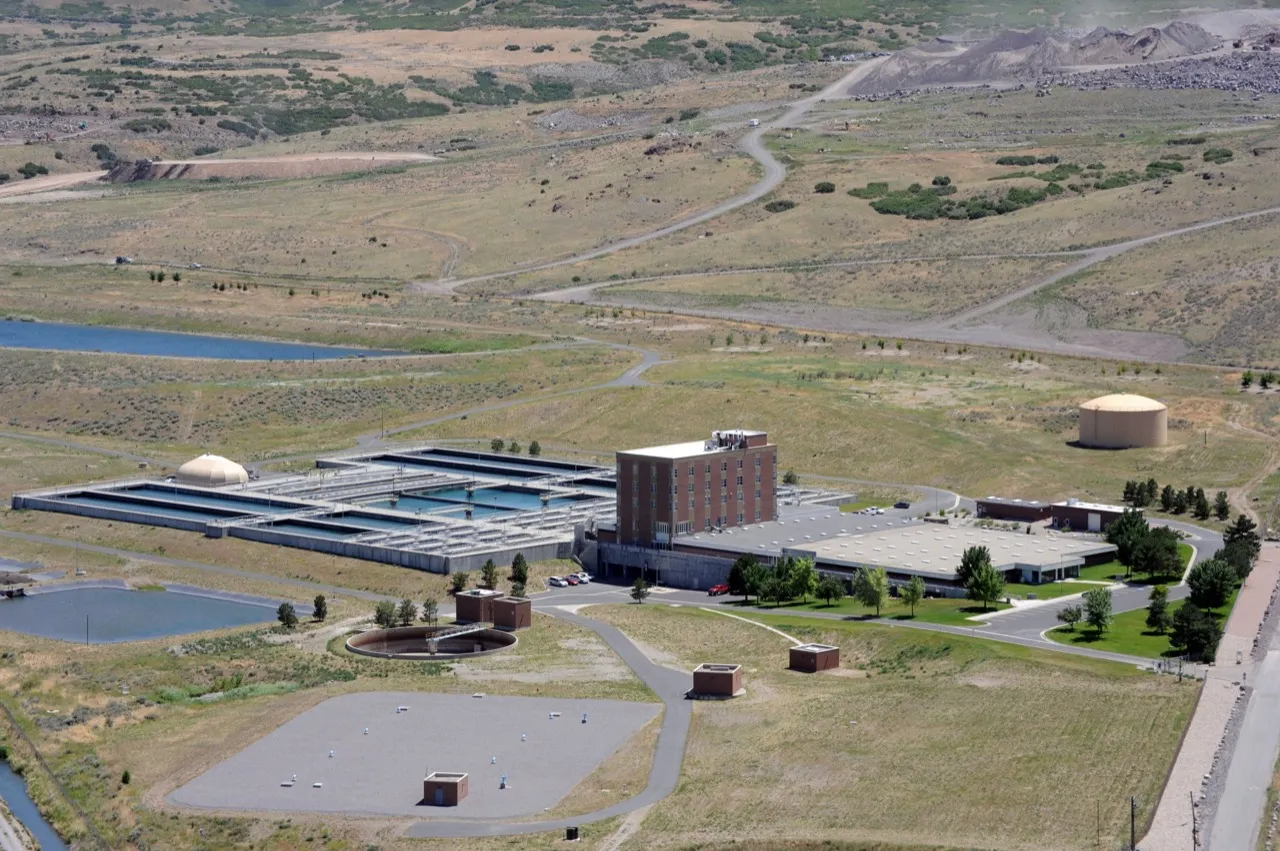
MODULE 03 — REAL-TIME RESPONSE
SCADA tells you what happened. OCore informs what you should do.
The context lives right in your SCADA. Open any asset for its procedures, maintenance history, and operator notes, on demand. When an alarm fires, that context surfaces on its own, before anyone goes looking.
The alarm-to-action gap.
Your SCADA system monitors thousands of data points. When something goes wrong, it fires an alarm. What happens next depends entirely on who is on shift and what they remember.
An alarm fires.
Your SCADA system delivers a tag number, a priority level, and a timestamp. That's all the operator gets.
The operator starts searching.
They check their notes, look for a binder, open the shared drive. If they are newer, they call a senior colleague.
Senior colleague is unavailable.
Different shift, day off, or already retired. The operator is on their own with a tag number and no context.
Resolution depends on memory.
The operator either remembers what to do, figures it out through trial and error, or escalates. None of these are reliable at 2 a.m.
Map SCADA tags to OCore assets
One-time configuration that links your existing SCADA tag structure to the equipment records in OCore. Works with VTScada, Ignition, Wonderware, and others.
The context lives on your SCADA screen
A panel in your SCADA links every tag to its full record: procedures, equipment history, troubleshooting steps, and the notes past operators left. It is there on demand, and the moment an alarm fires it surfaces on its own.
Operator sees context and response steps
Instead of a tag number, the operator sees what the alarm means, what to check first, what happened last time, and who to call if escalation is needed.
Resolution becomes system knowledge
How the operator resolved the alarm becomes part of the equipment record. The next person who sees this alarm benefits from the history.
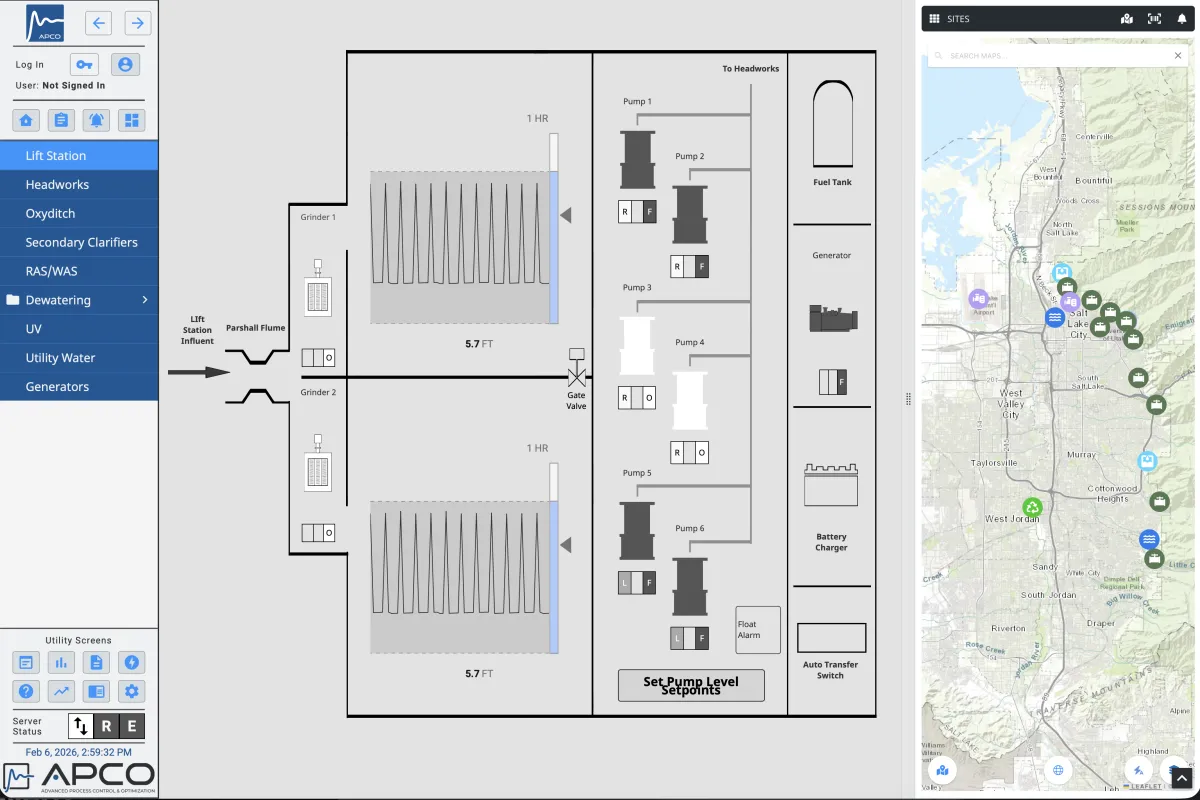
FIG. 03 — SCADA COMPANION
What's in the module.
In-SCADA context panel
Open any asset in your SCADA for its full record: procedures, maintenance history, and notes. On demand, not just when an alarm fires.
Tag-to-asset mapping
A one-time setup ties your SCADA tags to the equipment records in OCore.
Alarm context delivery
When an alarm fires, the procedure, history, and context are already there.
Response procedures
Step-by-step checklists tied to the exact alarm that fired.
Troubleshooting trees
Guided decision paths for the alarms that are not simple.
Escalation paths
Who to call and when, set for each alarm, so no one is guessing at 2 a.m.
Resolution capture
However the operator clears it becomes part of the record, so the next shift starts ahead.
One prevented overflow pays for 30 years.
The economics of the SCADA Companion are simple. One avoided regulatory violation, one prevented equipment failure, or one reduced response time pays for years of service.
$645K
Average cost of a single sanitary sewer overflow
$20K
Annual cost of the SCADA Companion module
30+ yr
One prevented overflow pays for the module
Without OCore: 15 minutes to find context, $645K overflow risk, 200+ alarms per month with no linked procedures. With OCore: instant context, full coverage, and every resolution building the system knowledge.
Start where it hurts most. Deploy one module or run them as one platform.
Request a demo